
Accessible Education
Canada values education as a public good, ensuring that primary and secondary education is universally accessible and of high quality . Public institutions are well-funded and inclusive, and support systems help students from diverse backgrounds succeed.

Access to Public Services
In Canada, access to essential public services such as healthcare, education, and social support is considered a fundamental right. Public services are designed to be inclusive, accessible, and fair, ensuring that all individuals — regardless of income, background, or language — can benefit from the support they need to live healthy, secure, and dignified lives. This commitment reflects Canada’s dedication to equity and social justice.

High Quality of Life
Consistently ranked as one of the best countries to live in, Canada boasts a high standard of living, excellent infrastructure, and strong social support systems. With low crime rates, clean cities, and a focus on work-life balance, Canadians enjoy a level of security and stability that many around the world aspire to.

Universal Health Care
Canada’s publicly funded healthcare system ensures that all citizens and permanent residents have access to essential medical services without worrying about financial barriers. While no system is perfect, Canada’s healthcare is a point of national pride, offering peace of mind to millions. Many people around the world envy the ability to walk into a hospital, receive care, and leave without a massive bill.

The Northern Lights
Few natural phenomena are as mesmerizing as the Aurora Borealis, and Canada offers some of the best views of this breathtaking spectacle. Whether in the Northwest Territories, Yukon, or northern Quebec, Canadians are fortunate to witness this dazzling display of nature, which remains on the bucket list of travelers worldwide.

Stunning Natural Landscapes
From the towering Rocky Mountains to the rugged coastlines of the Atlantic and Pacific, Canada is home to some of the most breathtaking natural scenery on the planet. Whether it’s the Northern Lights dancing in Yukon, the vast boreal forests, or the pristine lakes of Ontario, Canada’s wilderness is unmatched. This vast and unspoiled beauty is a dream destination for travelers and outdoor enthusiasts worldwide.

Environmental Responsibility
Canada is deeply committed to protecting its vast natural landscapes, clean water, and rich biodiversity. Through environmental legislation, conservation efforts, and investments in renewable energy, Canada leads with climate-conscious values. From banning harmful plastics to preserving national parks, the environment is a national priority.
Canadians understand that future generations depend on today’s actions.

Official Bilingualism
Canada is officially bilingual, with English and French recognized as equal languages at the federal level. This bilingualism is more than policy—it’s part of the national identity. It promotes inclusion and reflects the country’s history and values. Canadians grow up learning both languages in school, and visitors are often impressed by the accessibility of services in both.

Multiculturalism & Inclusivity
Canada has long embraced multiculturalism as a defining characteristic, welcoming immigrants from all over the world. Walking through cities like Toronto, Vancouver, and Montreal, you’ll find an incredible mix of cultures, cuisines, and traditions. This diversity enriches Canadian society and is admired by those who wish their own countries were as open and inclusive.

Affordable Education
Canada believes that education should be within everyone’s reach. With publicly funded elementary and secondary schools, and government-supported post-secondary options, Canadians enjoy affordable access to high-quality learning opportunities. This commitment empowers individuals, strengthens communities, and ensures that the door to knowledge is open to all, regardless of background or income.

Political Stability
Canada is widely regarded as one of the most politically stable countries in the world. Its democratic institutions are resilient, with peaceful transitions of power, a trusted electoral system, and a culture of civic engagement. Stability in governance fosters public trust, attracts global investment, and ensures continuity in policies that prioritize citizens’ wellbeing.

Human Rights
Canada is internationally respected for its commitment to protecting and promoting human rights. From the Charter of Rights and Freedoms to strong anti-discrimination laws, Canada strives to ensure equality, dignity, and safety for all. Ongoing efforts address systemic inequities while supporting diverse communities, refugees, and Indigenous Peoples. This deep-rooted respect for human rights is a cornerstone of Canadian identity.

Peace & Safety
Canada consistently ranks as one of the safest and most peaceful countries in the world. Low crime rates, political stability, and a strong social fabric make it a secure place to live and raise a family. Canadians often take pride in their country’s reputation for diplomacy, peacekeeping, and respect for human rights.

Responsible Firearm Laws
Canada’s approach to gun control is a model of balance and safety, prioritizing the well-being of its citizens while respecting the rights of lawful gun owners. With strict regulations, including thorough background checks, mandatory safety training, and restricted access to firearms, Canada has managed to maintain lower rates of gun violence compared to many other countries. The Canadian government’s commitment to responsible ownership ensures that guns are not only used for sport and hunting but are also closely regulated to prevent misuse. This emphasis on safety, combined with a culture of respect for the law, makes Canada’s gun control system a cornerstone of the country’s peaceful society.

Safe & Welcoming Cities
Canada’s cities consistently rank among the safest and most livable in the world. Whether it’s Vancouver’s ocean-meets-mountains lifestyle, the cultural vibrancy of Toronto and Montreal, or the community spirit of smaller cities like Halifax or Saskatoon, Canadian cities offer a high quality of life. They’re known for being clean, safe, and inclusive—places where people from around the world feel at home.

True North Spirit
The “True North” is a powerful part of Canada’s national identity, symbolizing strength, resilience, and unity across the vast and sometimes harsh northern landscape. From the Arctic tundra to the rugged coastlines, Canadians embrace the natural beauty and spirit of the North with pride. This enduring connection to nature and perseverance through all seasons reflect the heart of the Canadian character.

Incredible Wildlife
From majestic moose and grizzly bears to puffins and whales, Canada is home to some of the most fascinating wildlife on Earth. People from around the world visit Canada’s national parks and coastal regions just for a chance to see these incredible creatures in their natural habitats. The idea of sharing space with such magnificent wildlife is something many city-dwellers in other parts of the world can only dream of.

National Parks
Canada’s national parks are treasures of breathtaking beauty and environmental stewardship. From Banff and Jasper’s towering peaks to the pristine lakes of Gros Morne and the tundra of Auyuittuq, these parks protect ecosystems and allow visitors to connect with nature in its purest form. Canada’s commitment to preserving these natural wonders reflects its deep respect for the environment and future generations.

Canadian Identity
Canada’s identity is deeply rooted in history, resilience, and unity. From its Indigenous heritage to its journey to Confederation in 1867, Canada has grown into a proud and sovereign nation, symbolized by the iconic 11-point maple leaf. Representing strength and national pride, this emblem is recognized around the world as a mark of Canada’s independence and values.

O Canada
“O Canada” is more than just a national anthem — it is a song of pride, unity, and identity for Canadians everywhere. Sung at schools, events, and gatherings, its powerful words honour the country’s natural beauty, strength, and shared dreams. “O Canada” reminds all who hear it of the values and spirit that connect the nation from coast to coast to coast.

Indigenous Heritage & Reconciliation Efforts
Canada’s Indigenous peoples have rich, diverse cultures and histories that span thousands of years. In recent decades, there has been a growing commitment to reconciliation, recognizing past injustices and supporting Indigenous communities. From land acknowledgements to language revitalization and representation in government, Canada is making strides toward a more inclusive future—one that honours its Indigenous roots.

Ice Hockey Dominance
Hockey isn’t just a sport in Canada—it’s a way of life. With a history of producing some of the greatest players in the world, including Wayne Gretzky and Sidney Crosby, Canada is the undisputed home of hockey. From backyard rinks to the Olympics, Canadians take pride in their nation’s dominance in the sport. Many other countries have passionate hockey fans, but none live and breathe it quite like Canada.

The Maple Syrup Industry
Canada produces over 70% of the world’s maple syrup, with Quebec leading the charge. This sweet, golden nectar isn’t just a delicious treat—it’s a symbol of Canadian identity. The fact that Canada has a strategic maple syrup reserve is something that both impresses and amuses people worldwide.

Friendly & Polite Reputation
Canadians are famously known for being friendly, polite, and apologetic—sometimes to an amusing degree. The stereotype of Canadians saying “sorry” too often isn’t entirely wrong! This reputation for kindness is something many people admire, and it often makes Canadians well-received wherever they travel.

Charter of Rights and Freedoms
The Canadian Charter of Rights and Freedoms is a cornerstone of Canada’s democracy. It guarantees fundamental rights and freedoms, including freedom of expression, equality before the law, and the right to live without discrimination. The Charter ensures that every individual in Canada is treated with fairness, dignity, and respect, forming the foundation of a just and inclusive society.

Freedoms
Canada guarantees a wide range of civil liberties that allow people to live, express themselves, and participate fully in society. The Canadian Charter of Rights and Freedoms protects freedom of expression, religion, peaceful assembly, and association, among others.
These freedoms are not just theoretical—they are woven into everyday life. Canadians can protest, worship, speak out, and organize without fear of censorship or persecution. These liberties are central to a vibrant democracy and essential to building an inclusive, diverse, and resilient nation.
Strong Public Institutions
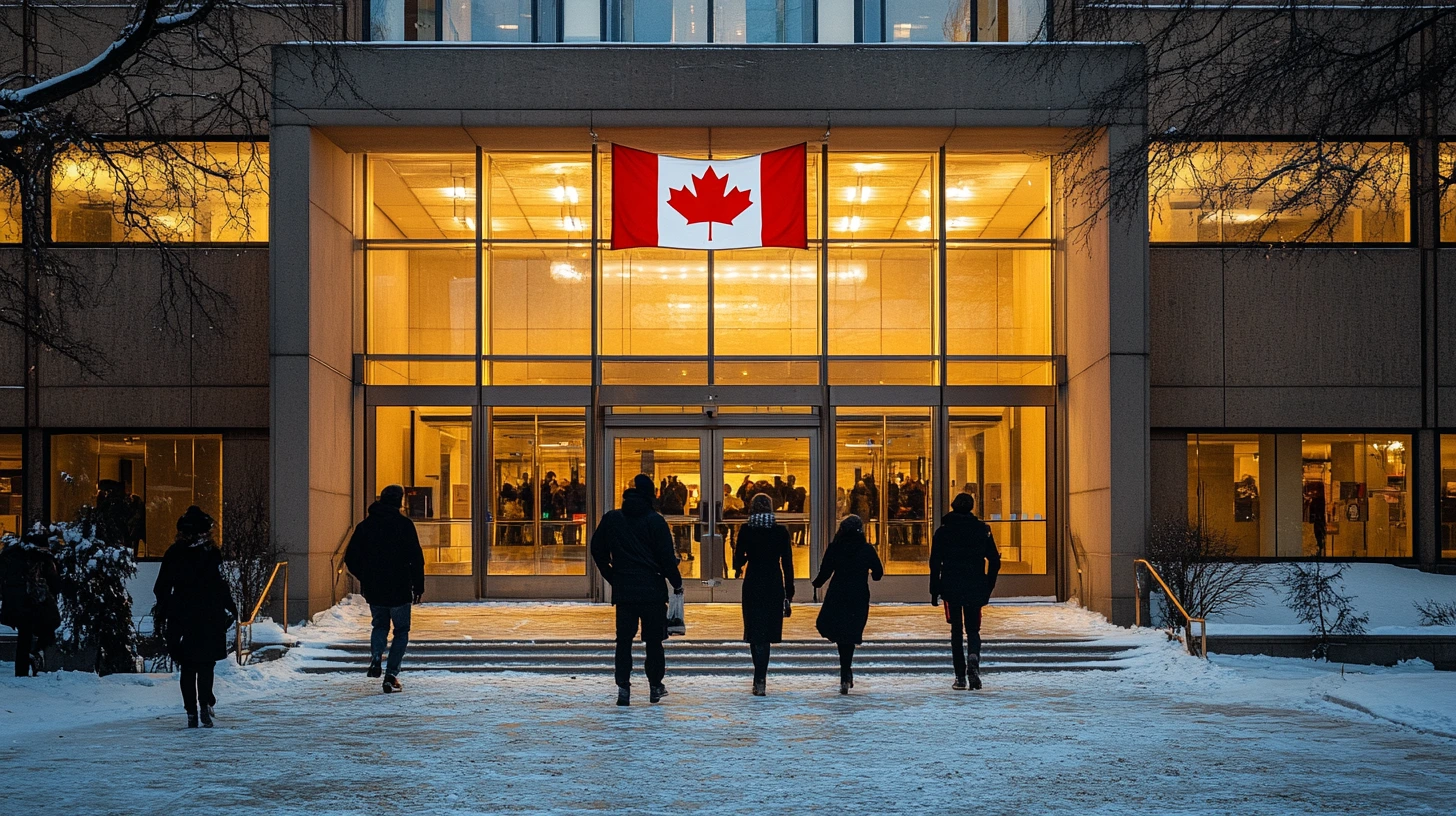
Canada benefits from strong, stable public institutions—like its judicial system, public education, and democratic governance. These institutions are generally trusted by Canadians and admired globally for their transparency, fairness, and resilience. They contribute to a sense of order, trust, and equality that many consider a hallmark of Canadian life.

Free and Fair Elections
Canada’s electoral system is designed to reflect the will of the people, with fair rules, independent oversight, and accessible voting options. Elections Canada—a non-partisan agency—administers federal elections and ensures they are conducted with integrity, transparency, and equality.
Canadians vote regularly for their representatives at municipal, provincial, and federal levels. The process is peaceful and trusted, with high standards for privacy and security. Election results are widely accepted, and peaceful transitions of power are the norm—reflecting deep respect for democratic principles.

Transparent Government
Canada takes pride in a government system that prioritizes transparency and accountability. Through public consultations, open data initiatives, and rigorous ethics standards, Canadians can monitor how decisions are made and how public funds are spent. Independent oversight bodies, such as the Auditor General and parliamentary committees, ensure that elected officials are held to the highest standards of conduct.
Accountability also extends to citizen engagement. Canadians are encouraged to ask questions, voice opinions, and take part in policy-making at all levels. This openness helps build trust in public institutions and ensures that democracy remains responsive and inclusive.

Rule of Law
In Canada, the rule of law means that everyone—citizens and leaders alike—must follow the same laws. It is a cornerstone of our democracy and a fundamental guarantee of fairness, security, and stability. Laws are created through democratic processes and enforced through an impartial legal system.
The rule of law protects against arbitrary use of power and ensures that individuals have legal avenues to resolve conflicts. It also supports other democratic rights by making sure they are consistently applied and upheld.

Judicial Independence
Canada’s courts are free from political interference, ensuring fair treatment for everyone—regardless of status, background, or beliefs. Judges are appointed based on merit, and decisions are made independently of government or external pressures. This guarantees that all individuals receive equal protection under the law.
Judicial independence strengthens Canada’s democracy by providing a neutral check on legislative and executive power. When disputes arise—between citizens and government, or between different levels of government—the courts act as impartial arbiters. This promotes fairness, justice, and long-term public confidence in the rule of law.

Tech and Innovation Hubs (Toronto, Vancouver, Montréal)
Canada is home to some of the world’s fastest-growing and most dynamic tech and innovation hubs. Cities like Toronto, Vancouver, and Montréal have become global centres for artificial intelligence, clean technology, biotech, gaming, and fintech. These cities attract top talent from around the world, foster collaboration between startups and established companies, and support research through strong academic partnerships. Government funding and a highly skilled workforce fuel the innovation ecosystem, making Canada a magnet for future-focused industries.

Research & Development
Canada is a global leader in research and development, investing heavily in innovation across fields such as health, technology, energy, and environmental science. Our universities, government institutions, and private industries collaborate to drive scientific breakthroughs that improve lives in Canada and around the world. Canada’s commitment to R&D ensures our future remains bright, sustainable, and competitive on the global stage.

Support for Workers and Families
Canada’s social safety net and family-friendly policies make it one of the best countries in the world for workers and families. Programs like paid parental leave, universal healthcare, public childcare subsidies, and employment insurance create a strong foundation for well-being. Labour laws promote safe and fair working conditions, while government investments in training and upskilling help workers adapt to a changing economy. This balanced approach ensures people can thrive both at work and at home.

Economic Stability
Canada is recognized for its sound fiscal management, well-regulated banking system, and stable economy. The country consistently ranks high for economic freedom and is considered a safe place to invest and do business. This stability gives individuals, families, and businesses the confidence to plan for the future. Whether it’s low inflation, resilient employment rates, or prudent public spending, Canada’s economic stability underpins its overall quality of life and global reputation.

Entrepreneurial Support & Startups
Entrepreneurship in Canada is thriving, thanks to a welcoming business environment and robust support systems. The country offers a range of federal and provincial programs to help entrepreneurs start and grow their businesses, including grants, tax incentives, and incubators. Cities across Canada have vibrant startup scenes, supported by accelerators, co-working spaces, and a culture of mentorship. Canada also embraces diversity in business leadership, helping newcomers and underrepresented groups bring their ideas to life.

International Aid & Development
Canada plays a significant role in international development by providing humanitarian assistance, supporting education, promoting gender equality, and funding health initiatives around the world. Canadians take pride in offering help where it’s needed most and contributing to building a better future globally.
Climate Change Agreements
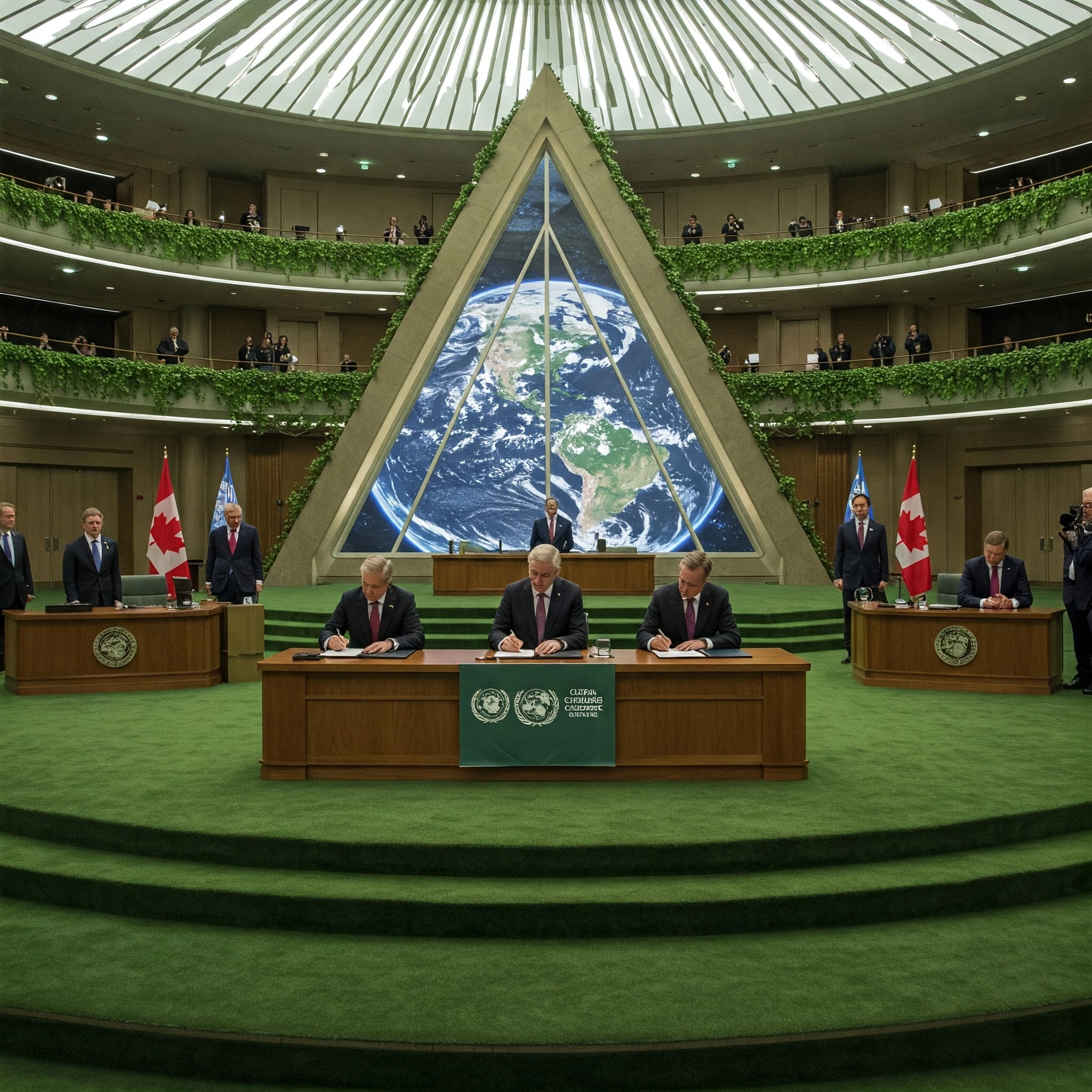
Canada actively participates in global efforts to fight climate change by signing international agreements like the Paris Agreement. The country invests in renewable energy, conservation, and sustainable practices, reflecting Canadians’ strong commitment to protecting the planet for future generations.
Strong International Reputation
Canada is seen as a peaceful, stable, and respected nation on the global stage. Whether in international diplomacy, peacekeeping missions, or humanitarian efforts, Canada has earned a reputation for being a responsible and reliable country. Many nations admire Canada’s balanced approach to global affairs.

Commitment to the Environment
Canada is a global leader in environmental stewardship, taking significant steps to protect its natural landscapes and combat climate change. With vast forests, pristine lakes, and diverse ecosystems, the country is dedicated to sustainable development and conservation. The Canadian government has implemented policies to reduce carbon emissions, promote clean energy, and protect endangered species. Canadians take pride in their nation’s commitment to environmental protection, from recycling initiatives to large-scale conservation efforts. Through international agreements and local action, Canada continues to play a vital role in preserving the planet for future generations.

Global Peace Builders
Canada has a long-standing tradition of peacekeeping and diplomacy. From international conflict resolution to humanitarian aid, Canadians have helped bring stability to troubled regions. The country’s reputation for fairness, respect, and cooperation makes it a valued global partner.
Canadians are proud of their peaceful influence and commitment to justice abroad.

Refugee Support
Canada has an international reputation for welcoming refugees and providing them with the support they need to rebuild their lives. From resettlement programs to community sponsorships, Canada demonstrates a deep commitment to compassion, dignity, and human rights for all.

Respected Worldwide
Canada is known internationally as a peaceful, respectful, and reliable country. Whether through diplomacy, humanitarian efforts, or fair trade, Canadians are seen as thoughtful global citizens.
This reputation opens doors for Canadians abroad and inspires pride at home.

Multilateralism (UN, NATO, etc.)
Canada has long been a committed supporter of multilateral organizations like the United Nations, NATO, the Commonwealth, and la Francophonie. By working with international partners, Canada strengthens peace, security, human rights, and development across the world. Canadians take pride in their country’s role as a respected global collaborator.

Research institutions
Canada invests heavily in research across all fields—from healthcare to artificial intelligence—through a network of globally respected institutions. This commitment to discovery fuels innovation and places Canada at the forefront of scientific and technological advancement.

World-Class Education
Canada’s education system is one of the best in the world. Public schools are strong, and universities like the University of Toronto, McGill, and UBC are internationally respected. Education is valued, accessible, and multicultural, with programs for international students, Indigenous knowledge integration, and bilingual learning options that make Canada a destination for academic excellence.

Top-Ranked Universities
Canada is home to some of the world’s leading universities, recognized for their academic excellence, research output, and commitment to global learning. Institutions like the University of Toronto, McGill, and UBC consistently rank among the top globally. Their diverse student populations and forward-thinking programs make Canadian universities magnets for international talent.

Public Transportation
Canada’s public transportation systems, particularly in major cities, are designed to be efficient, reliable, and environmentally friendly. Investing in electric buses, metro systems, and commuter trains helps reduce traffic congestion and carbon emissions.

Green Cities
Canadian cities are global leaders in sustainable urban design, with abundant green spaces, clean air, and eco-conscious planning. Cities like Vancouver and Montréal invest in tree-lined streets, protected parks, and initiatives to reduce carbon emissions.

Renewable Energy Adoption
Canada is a global leader in renewable energy, with most of its electricity coming from hydro, wind, and solar sources. Provincial strategies and federal goals support a long-term transition away from fossil fuels, making energy cleaner and more sustainable.

Urban Planning
Thoughtful urban planning has helped Canadian cities grow sustainably while preserving livability and local character. From walkable neighbourhoods and efficient public transit systems to green building standards and mixed-use developments, urban planners across the country aim to balance growth with quality of life. Canadian cities often emphasize inclusivity, accessibility, and environmental resilience in their design. The result is vibrant, dynamic communities that are not only functional but also welcoming and sustainable.

Clean Cities
Canada’s cities are known for their cleanliness, a reflection of strong civic engagement, effective public services, and widespread environmental awareness. From coast to coast, municipalities invest in waste management, recycling programs, and green public spaces, contributing to a high standard of urban living. Cities like Calgary, Ottawa, and Vancouver frequently rank among the cleanest in the world — not just in terms of appearance, but also in air quality and access to clean water. These efforts help foster civic pride and a healthier environment for all.

Digital Infrastructure
Canada’s commitment to building a connected future is evident in its robust digital infrastructure. With high-speed internet reaching even remote communities and ongoing investments in cybersecurity, Canada supports innovation, accessibility, and economic resilience. Public and private sectors work together to expand broadband access, reduce the digital divide, and ensure secure, reliable connectivity across the country. Digital infrastructure in Canada is also a key enabler of education, healthcare, and public services, making everyday life more efficient and inclusive.

Cultural Celebrations
Canada’s cultural celebrations reflect the country’s diversity, unity, and shared values. From Indigenous powwows to Chinese New Year, Diwali, Saint-Jean-Baptiste Day, and Canada Day, these events showcase the traditions, languages, and stories of the people who call Canada home. These celebrations foster inclusion and highlight the richness of a multicultural nation.

Public Broadcasting (CBC/Radio-Canada)
CBC/Radio-Canada is a cornerstone of Canada’s national identity, providing trusted news, entertainment, and storytelling in both official languages. As a public broadcaster, it reflects the voices and values of Canadians from all walks of life, strengthening democracy, inclusion, and cultural understanding across the country.

National Symbols
Canada’s national symbols—such as the maple leaf, the beaver, the Canadian flag, and the national anthem “O Canada”—represent unity, pride, and shared heritage. The industrious beaver, once central to Canada’s fur trade economy, now symbolizes perseverance and hard work. These symbols reflect the country’s history, values, and enduring spirit. Recognized around the world, they unite Canadians across generations and cultures.

Protecting the Planet
Canada is deeply committed to protecting its vast natural landscapes, clean water, and rich biodiversity. Through environmental legislation, conservation efforts, and investments in renewable energy, Canada leads with climate-conscious values. From banning harmful plastics to preserving national parks, the environment is a national priority.
Canadians understand that future generations depend on today’s actions.
#1
G7 Quality of Life
38M+
Diverse Population
#2
World Reputation
90%
Seniors Voter Turnout
WHY IT MATTERS
Canada is more than a country — it’s an idea built on values that resonate far beyond its borders: peace, fairness, inclusivity, and respect for people and the planet. In a world where national identity is often contested or commercialized, this project offers something different — a quiet celebration of what makes Canada worth admiring.
Not through slogans or marketing gimmicks, but through carefully chosen words, meaningful imagery, and handmade symbols that carry pride with humility. Whether it’s a lapel pin in the shape of a heart or a gallery image that reflects democratic ideals or environmental commitment, every element on this site is designed to honour the spirit of this place — and invite others to see themselves in it. Because reminding ourselves — and showing others — what makes Canada truly great isn’t just a feel-good exercise. It’s a way of protecting those values, passing them on, and grounding them in something real.
What People Are Saying
“I didn’t expect to feel this proud just scrolling through.”
What People Are Saying
"A beautiful way to carry Canada with you."
10%
Global Forests Share
10
Provinces
3
Territories
1M+
Lakes
Canada’s Trade Strategy in 2025
In response to renewed tariffs from the Trump administration, Canada has adopted a measured approach to protect its economy while preserving diplomatic ties. Prime Minister Mark Carney’s government has lifted many retaliatory tariffs on U.S. goods covered under CUSMA, aiming to reopen stalled negotiations and maintain Canada’s trade advantage. This move has been praised by economists for keeping over 85% of Canada-U.S. trade tariff-free, while still signaling strength through targeted countermeasures.
Provincial leaders have responded with a mix of concern and pragmatism. Ontario and Quebec are lobbying for federal support to shield manufacturing jobs, while British Columbia is accelerating trade diversification with Pacific partners. The situation remains fluid, but Canada’s strategy reflects a balance of resilience and diplomacy in an increasingly unpredictable global market.
What People Are Saying
“It's refreshing to see Canadian identity celebrated this thoughtfully.”
What People Are Saying
"I want to show this to my family overseas."
PEACE AND SAFETY
Responsible Firearm Laws
Canada’s approach to gun control is a model of balance and safety, prioritizing the well-being of its citizens while respecting the rights of lawful gun owners. With strict regulations, including thorough background checks, mandatory safety training, and restricted access to firearms, Canada has managed to maintain lower rates of gun violence compared to many other countries.
The Canadian government’s commitment to responsible ownership ensures that guns are not only used for sport and hunting but are also closely regulated to prevent misuse. This emphasis on safety, combined with a culture of respect for the law, makes Canada’s gun control system a cornerstone of the country’s peaceful society.
Where Nature Beckons
From alpine peaks to windswept coastlines, Canada’s parks call to the curious and the wild at heart. This interactive map showcases national and provincial parks across the country. Zoom in, click around, and let nature guide your next adventure.
Top 5
Global Press Freedom
2005
Marriage Equality
2
Official Languages
#1
Freedom & Tolerance
Trade Disrupted: 2025 Timeline
March 3 – Blanket Tariff Threat
Sweeping tariffs on all imports: 10% base, up to 25% for surplus nations.
- China warns of retaliation
- EU calls it “a major blow to global stability”
- Canada expresses “deep disappointment”
March 24–30
Japan responds with targeted tariffs on U.S. electronics and agricultural goods.
Market reaction: Nikkei dips, U.S. tech stocks wobble, soy futures slide.
April 1–7
South Korea and Mexico announce joint WTO complaint against U.S. tariffs. → Signals a shift toward multilateral resistance.
April 6 – U.S. Steel & Aluminum Tariffs
25% on steel, 10% on aluminum; exemptions for Canada & Mexico pending NAFTA talks.
- Mexico calls move “unjustified”
- Japan seeks WTO consultation
- Germany urges EU-wide response
April 8–14
U.S. doubles down with new tariffs on Chinese EVs and solar panels.
- China threatens rare earth export restrictions.
April 15–21
EU imposes retaliatory tariffs on U.S. digital services and luxury goods.
Apple, Meta, and high-end fashion brands take a hit.
April 22–28
India introduces subsidies for domestic manufacturing in response to global trade instability.
- China vows “necessary countermeasures”
- Australia warns of global slowdown
May 29 – China IP Tariffs
Trump revives threat of $50B in tariffs targeting Chinese tech and IP violations.
- China cancels trade talks
- Singapore warns of regional instability
June 1 – Tariffs Enacted
Steel/aluminum tariffs take effect for EU, Canada, Mexico. Exemptions revoked.
- EU imposes retaliatory tariffs
- Canada announces $16.6B in countermeasures
- Mexico targets pork, whiskey, steel
July 6 – China Tariffs Begin
U.S. imposes 25% tariffs on $34B of Chinese goods; China responds in kind.
- China accuses U.S. of “trade bullying”
- South Korea urges de-escalation
August 1 – Threat of More Tariffs
Trump proposes 25% tariffs on $200B of Chinese imports, up from original 10% plan.
- China vows “necessary countermeasures”
- Australia warns of global slowdown
August 6
The U.S. doubled down on its trade penalties, bringing the total tariff rate on Indian goods to 50%.
- India hit with additional 25% tariff over Russian oil ties.
August 7
U.S. launches Turnberry system, a new framework aimed at enforcing trade compliance and national security.
Sweeping tariff expansion targeting over 60 countries.
August 22
Canada Lifts Retaliatory Tariffs on CUSMA-Compliant U.S. Goods
August 29
De Minimis exemption ends for low-value imports. Trump proposed 25% tariffs on $200B of Chinese imports, up from original 10% plan.
Fast fashion and e-commerce platforms (like fast fashion from Shein and Temu) face new tariffs.